
Heat Recovery
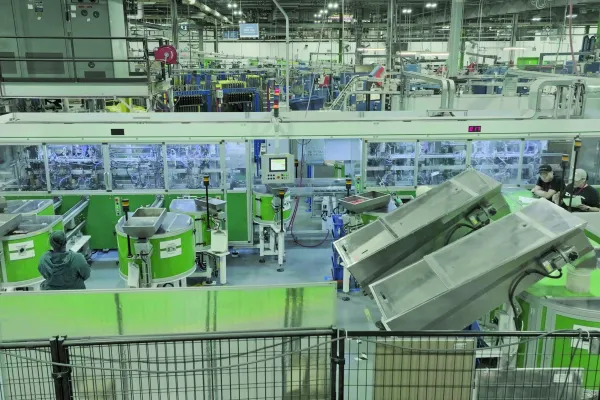
This article details how Schneider Electric transformed waste heat into a reliable energy source at its Lincoln, Nebraska facility. By repurposing low-temperature process cooling water and optimizing building pressurization and controls, the plant significantly reduced natural gas use, water consumption and CO2 emissions while improving indoor comfort and air quality. The project demonstrates how an efficiency-first approach—leveraging existing infrastructure, advanced controls and digital analytics—can deliver measurable sustainability gains and create a scalable pathway toward full electrification and net-zero operations.
When compressed air is generated, heat is inevitably produced as a by-product. Anyone looking to enhance efficiency can use this heat and increase the efficiency of compressors to about 95 percent as a result. To achieve this, there are easy-fit heat exchangers which can be fitted to existing air compressor stations. This investment often pays for itself within less than a year.
[ Read Full Story ]
Its simple physics that compressing air gives off heat. The heat energy is concentrated in the decreasing volume of air. To maintain proper operating temperatures, the compressor must transfer excess heat to a cooling media before the air goes out into the pipe system. As much as 90 percent of that heat can be recovered for use in your operation. If you can supplement or replace the electricity, gas or oil needed to create hot water for washrooms, or direct warm air into a workspace, warehouse, loading dock, or entryway, the savings can really add up.
[ Read Full Story ]
Reducing energy costs and pollution emissions involves many areas within an industrial facility. My studies have found key (or common) areas where low cost practical projects can be implemented. Combined, these projects provide savings exceeding 10% of the annual energy spend with an average payback of less than one year.
[ Read Full Story ]