In recent years, electrification and decarbonization initiatives have significantly shaped the centrifugal chiller market, which has traditionally focused on comfort cooling applications. There is a growing demand for electric heating solutions, such as centrifugal water-to-water heat pumps and air-cooled chillers that use centrifugal refrigeration compressors.
At the same time, water conservation legislation, particularly on the West Coast of the United States, is driving changes in centrifugal chiller installations, with new projects employing cooling towers that either reduce or eliminate water consumption. A notable example is recent legislation passed by the Las Vegas Water District (Clark County, NV), which prohibits any new construction in Clark County (including Las Vegas) from installing evaporative cooling towers if the permit was applied for after September 1, 2023, and issued after February 1, 2024.
These two changes – higher demand for electric heating and stricter water regulations – require chillers to operate at higher lift and become more efficient, leading to an industry shift from single-stage to two-stage centrifugal refrigeration compressors in their design. This article explores the aerodynamic differences between these designs and the mechanical challenges they present.
Aerodynamics Development
Single-stage centrifugal refrigeration compressors are generally well-suited to traditional comfort cooling applications and have the benefits of relative durability, simplicity and low cost. However, new applications requiring higher lift push refrigeration compressor designers to reassess design concepts to balance the benefits and trade-offs of different refrigeration compressor architectures. As the lift requirement for chiller centrifugal refrigeration compressors increases, the stable operating range of the refrigeration compressors decreases. This relationship can be seen in Image 1, comparing single-stage pressure ratio to operating range.
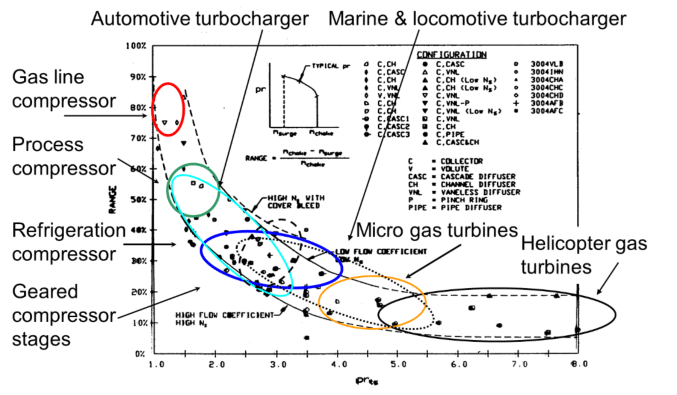
Image 1. From Advances and Breakthroughs in Diffusers for Compressors and Pumps: A Short History of Diffusers for Centrifugal Machines.
To mitigate the decrease in stable operating range, designers can split the compression across two stages instead of a single stage. Generally, two well-matched refrigeration compressor stages with relatively low stage loading (compared to a single stage) will offer greater unloading capability and higher part-load efficiency. However, this comes with trade-offs, including increased material costs and added design complexity. Using simulation throughout the design process helps manage these challenges and mitigate risk.
There are multiple options for refrigeration compressor architecture for two-stage refrigeration compressors. Back-to-back two-stage designs can offer efficiency at off-design conditions. The efficiency of these designs can be highly influenced by the losses incurred in the interstage pipe that connects the outlet of the first stage to the inlet of the second stage. Designing this pipe requires balancing compact packaging with minimizing flow losses.
In-line two-stage designs are more compact than back-to-back designs. Off-design performance may be slightly reduced relative to back-to-back designs but is still generally superior to single-stage designs. Overall, two-stage systems will have increased lift and improved range but increased cost and complexity compared to single-stage systems.
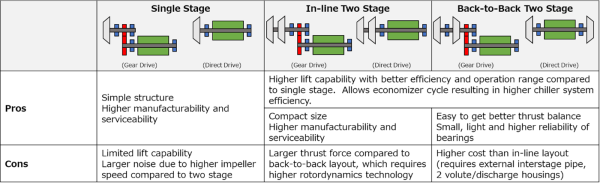
Image 2: Pros and cons of refrigeration compressor architectures. Click to enlarge.
A benefit of two-stage refrigeration compressor architecture is the ability to incorporate the economized chiller cycle. While this has minimal impact on the refrigeration compressor design, it can significantly impact chiller design and performance, especially close to design rating.
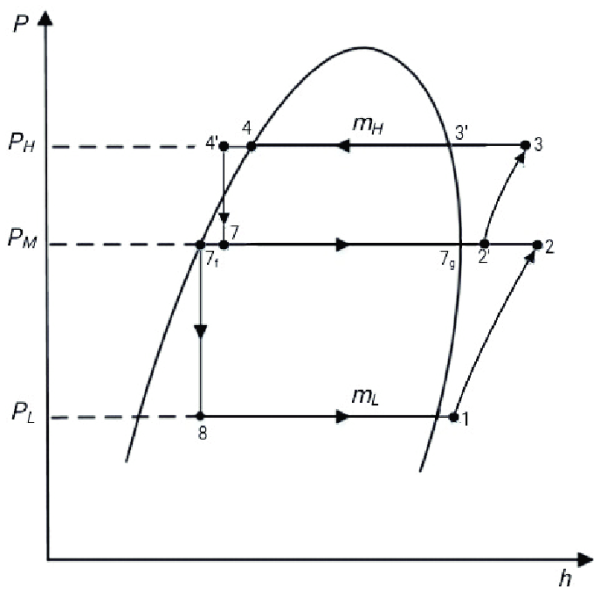
Image 3: From Performance Analysis of High-temperature Two-stage Compression Heat Pump with Vapor Injection Dynamic Control.
Mechanical Development
From a refrigeration compressor architecture perspective, the two-stage in-line design adds the least material cost since the two stages can be packed nearest to each other. However, this configuration presents a challenge in bearing and rotordynamic design due to the longer shaft.
The added rotordynamic challenge can be managed through careful simulation and testing to confirm sufficiently high shaft natural frequency over maximum operating speed (Separation margin, SM) needed from the aerodynamics.
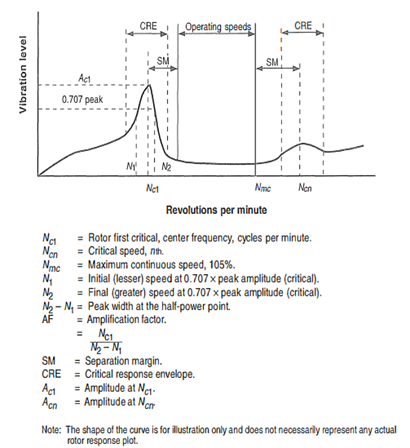
Image 4. Separation margin definition from API 617.
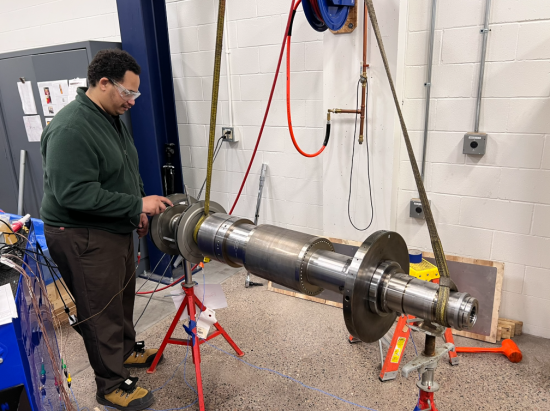
An engineer measures the natural frequency of a shaft by imparting impact with a tuned hammer and measuring rotor response.
Magnetic bearings are a natural choice for chillers due to their numerous system benefits, including high reliability, negligible friction and removal of oil from heat transfer surfaces. However, from a refrigeration compressor architecture perspective, the longer overhang in a two-stage in-line causes higher loads on the front radial bearing, resulting in larger bearing surfaces. This challenge can be mitigated through careful simulation and testing.
Radial magnetic bearing sizing can be estimated using a simple magnetic pressure equation, as seen in Image 5.
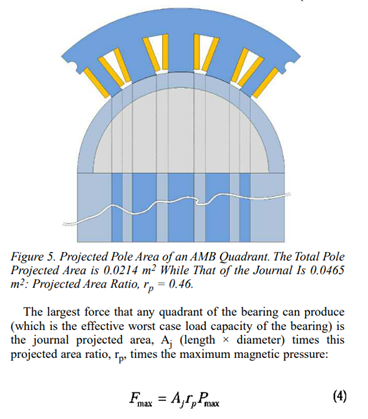
Image 5, from Rotordynamic Design Audits, 37th Turbo-Pump Symposium by Erik Swanson.
Conclusion
Developing centrifugal refrigeration compressors, whether they have one stage or two, involves considering several factors. From a cost perspective, a single-stage refrigeration compressor is an ideal option. It’s simpler to design and has fewer parts, which generally makes it cheaper. However, single-stage refrigeration compressors have their limitations. They struggle with high-pressure tasks and are not as efficient when used outside typical cooling situations, like those specified by AHRI standards.
On the other hand, two-stage refrigeration compressors are more complex to develop and tend to be more expensive due to the inclusion of an additional stage, a longer shaft and more robust bearings to support the extra weight. Two-stage refrigeration compressors offer enhanced performance in situations that require capabilities beyond typical AHRI comfort cooling, making them suitable for high lift applications demanded by electrification, decarbonization and water conservation regulations.
Furthermore, one of the advantages of two-stage refrigeration compressors is their ability to withstand greater dirt accumulation on the condenser when used with evaporative cooling towers (open cooling towers), thanks to their higher lift capabilities. In conclusion, choosing between a single-stage and a two-stage centrifugal refrigeration compressor ultimately depends on balancing cost considerations with the specific performance requirements of your application, ensuring optimal efficiency and functionality for your cooling needs.
About the Authors
 |
 |
 |
|
Ryan Huthmacher |
Jeff Morgan |
Art Rizoli |
Ryan Huthmacher is a Senior Aerodynamics Engineer at Daikin Applied. He has worked in turbomachinery for 17 years and joined Daikin in 2018.
Jeff Morgan is a Mechanical Engineer and has been working in the HVAC industry for 22 years. He’s spent the last 12 years at Daikin developing centrifugal refrigeration compressors to expand Daikin’s chiller lineup.
Art Rizoli is the Senior Director of Global Product Strategy for Chillers at Daikin Applied. He has worked with centrifugal refrigeration compressor technology for 27 years and joined Daikin in 2017.
About Daikin Applied
Daikin Applied headquarters in Plymouth, MN.
Daikin Applied, a member of Daikin Industries, designs and manufactures advanced commercial and industrial HVAC systems for customers around the world. The company’s technology and services play a vital role in creating comfortable, efficient and sustainable spaces to work and live – and in delivering quality air to workers, tenants and building owners. For more information, visit https://www.daikinapplied.com.
To read similar Chiller Technology articles, visit https://coolingbestpractices.com/technology/chillers.
Visit our Webinar Archives to listen to expert presentations on Chiller Technology at https://coolingbestpractices.com/magazine/webinars.